Biometric Authentication Systems Revolutionizing Mobile Gambling Platforms in Britain
Carlo Walter · Sep 16, 2026
Biometric Authentication Systems Revolutionizing Mobile Gambling Platforms in Britain
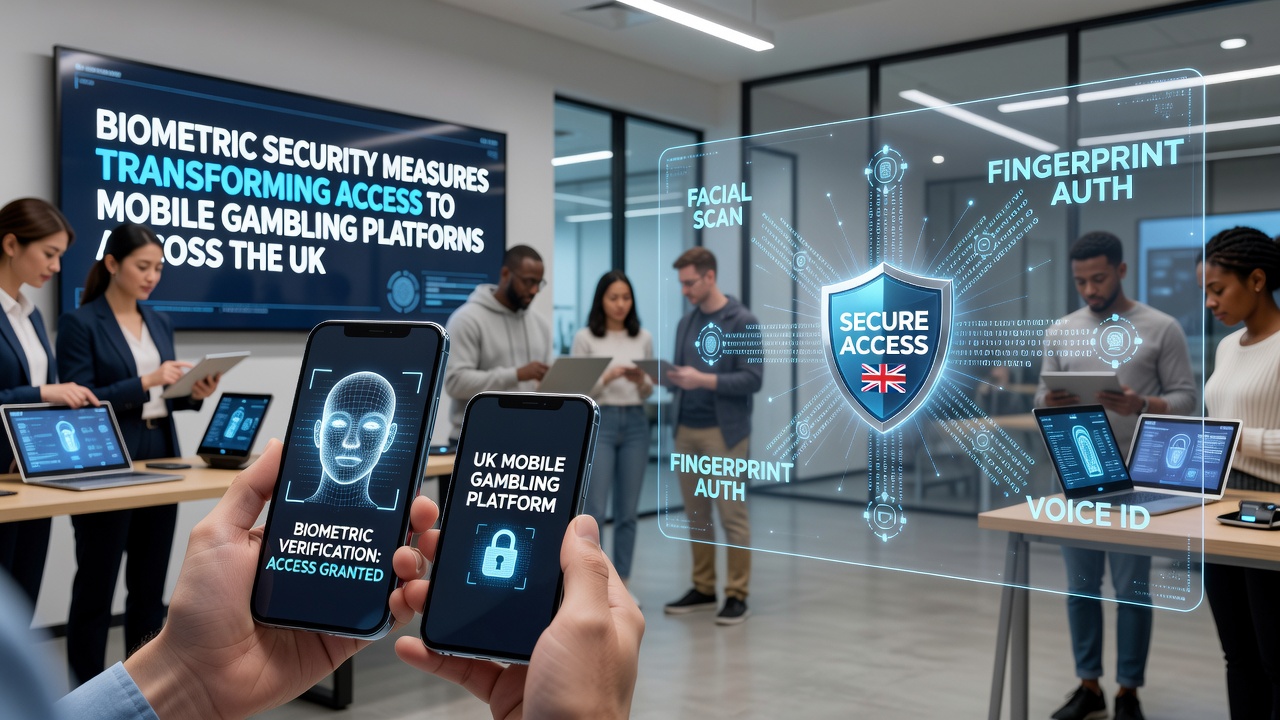
Biometric authentication has shifted how users access mobile gambling platforms across Britain with fingerprint scanning and facial recognition replacing traditional password entry in many cases. Operators integrate these tools to meet security standards while users complete logins in seconds rather than typing lengthy credentials. Data from regulatory filings shows adoption rates climbing steadily through 2025 with several major apps rolling out updates by September 2026 that expand options to include voice patterns and iris scans for select high-value accounts.
Core Technologies Driving the Shift
Developers embed sensors already present in most smartphones so fingerprint readers and front-facing cameras handle verification without extra hardware. Studies from the National Institute of Standards and Technology indicate that modern facial recognition algorithms achieve false acceptance rates below 0.01 percent when calibrated for mobile environments. These systems cross-reference live captures against stored templates encrypted on the device itself rather than transmitting raw images over networks. Operators report fewer account takeover incidents after deployment because biometric data stays local adn cannot be reset like a forgotten password.
Platforms combine biometrics with device-level encryption and behavioral analytics that track swipe patterns and typing rhythms as secondary checks. When a login attempt deviates from established norms the system prompts for additional confirmation before granting access to betting features or withdrawal functions. This layered approach aligns with broader data protection rules that require explicit consent for template storage and easy revocation options if a user switches devices.
Impact on User Experience and Compliance
Players notice faster entry to live dealer tables and instant-play slots because biometric checks bypass multi-factor codes sent via SMS. Transaction times for deposits drop as the same authentication covers both login and payment authorization in a single step. Operators document higher retention among users who enable these features since friction during repeated sessions decreases noticeably. Yet the same speed raises questions about accessibility for individuals with certain disabilities prompting some apps to retain PIN fallbacks that meet equal access requirements.
Research published by academic teams at institutions in Canada and Australia highlights how biometric systems reduce phishing success because credentials cannot be stolen through email or text deception. Figures from industry reports compiled across European markets reveal that platforms using these measures cut fraud-related chargebacks by up to 40 percent within the first year of implementation. Those results hold even as overall transaction volumes grow because the verification happens locally and scales without added server costs.
Challenges and Ongoing Developments
Storage of biometric templates demands strict safeguards against breaches since templates unlike passwords cannot be changed once compromised. Developers address this through secure enclaves in chipsets that isolate the data from the main operating system. Regulatory bodies outside Britain such as those in Singapore and the European Union have issued guidelines requiring regular audits of these storage methods and independent testing of algorithm bias across different demographic groups. Operators in Britain follow similar practices to maintain compatibility with international standards when expanding to new markets.
September 2026 marks the scheduled rollout of updated testing protocols that will require apps to demonstrate resistance to presentation attacks such as printed photos or synthetic masks. Early trials conducted by device manufacturers show improved detection rates when infrared depth mapping supplements standard camera input. These enhancements appear in flagship phone models already shipping and filter down to mid-range devices within months. Observers note that smaller gambling operators sometimes delay full integration until costs for certified software drop further.
Future Outlook for Broader Adoption
Industry groups project that biometric options will cover the majority of mobile gambling sessions in Britain by the end of 2027 as legacy password systems phase out. Partnerships between app developers and hardware vendors accelerate this timeline through pre-installed secure elements that simplify certification. Data shared at recent trade conferences indicates that user trust metrics rise when platforms clearly explain how templates remain on-device and deletable at any time. Continued refinement of cross-device syncing methods will determine whether the same biometric profile can transfer securely between phones and tablets without recreating templates from scratch.
Conclusion
Biometric measures continue to reshape access controls on mobile gambling platforms in Britain through faster verification and reduced reliance on shared secrets. Evidence from multiple international sources confirms lower fraud rates and improved compliance when these systems operate under established encryption and audit standards. As device capabilities advance and testing requirements tighten the technology integrates more deeply into daily operations without creating new barriers for legitimate users.