Biometric Verification Unlocking Regulated Live Dealer Tables for British Players on iOS
Mia Lange · Aug 23, 2026
Biometric Verification Unlocking Regulated Live Dealer Tables for British Players on iOS
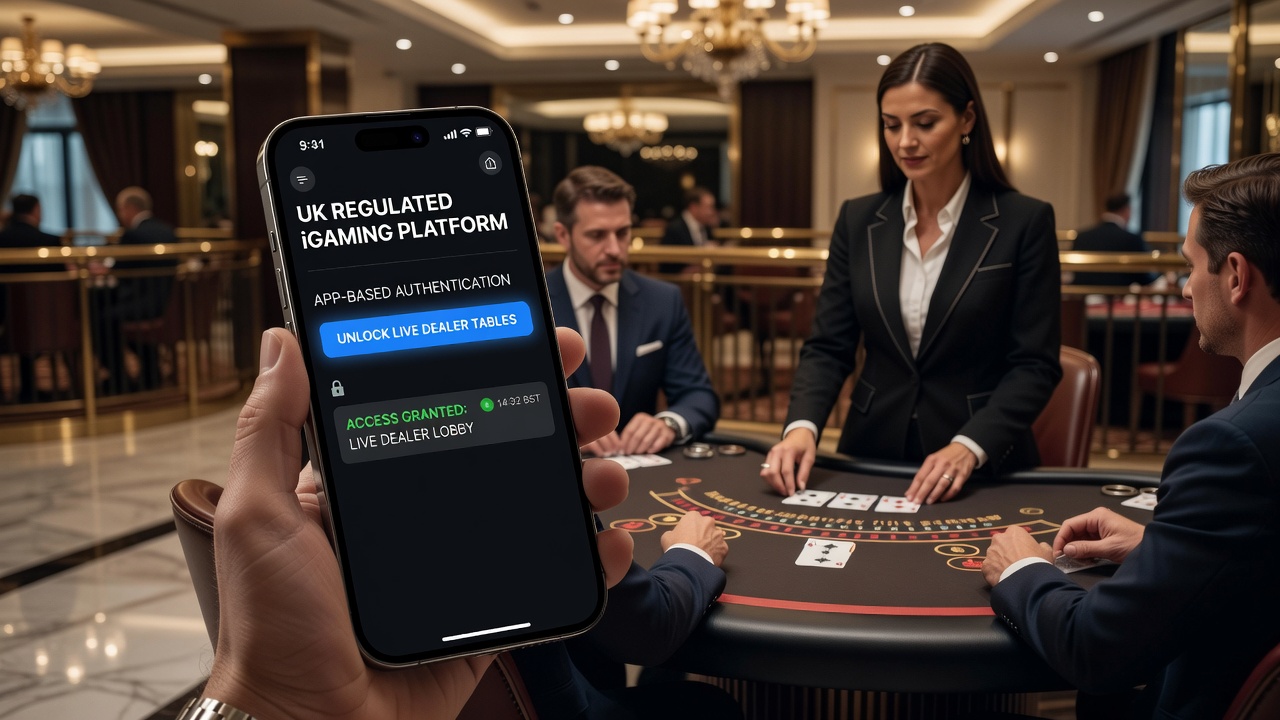
App-based authentication has become a central mechanism that British players use to gain entry to live dealer tables on regulated iOS platforms, combining device-level biometrics with secure login protocols that satisfy operator requirements and platform standards. These systems typically integrate Touch ID or Face ID alongside encrypted session tokens, allowing users to move from account verification to real-time table access without repeated manual entry of credentials. Data from industry reports indicate that such streamlined processes reduce login friction while maintaining compliance with age and identity checks mandated by licensing frameworks across multiple jurisdictions.
Core Authentication Components in iOS Casino Applications
Operators deploy a layered approach that begins with account creation through the App Store, where Apple’s review process enforces standards for data handling and payment integration. Once installed, the app prompts for biometric enrollment that ties the user’s physical device to their verified profile, and subsequent access to live dealer sections requires this confirmation before streaming initiates. Observers note that this method aligns with broader mobile security trends documented in studies from research institutions, where multi-factor elements such as device fingerprinting and one-time passcodes supplement the primary biometric step. In practice, British players complete initial registration with government-issued identification uploads, after which the app stores a hashed reference that the biometric check validates on each launch.
Regulatory Alignment and Platform Policies
Regulated environments require operators to implement controls that prevent unauthorized access, and iOS apps achieve this through continuous session monitoring that detects jailbroken devices or proxy usage. Figures from the European Gaming and Betting Association reveal steady adoption of these safeguards across member operators, with authentication logs forming part of mandatory reporting on player activity. Players encounter geo-location verification at login that cross-references IP data with declared addresses, ensuring only permitted regions reach live dealer interfaces. This setup operates alongside Apple’s own App Transport Security rules, which encrypt all data exchanges between the device and operator servers during table sessions.
Player Workflow from Login to Table Access
The sequence starts when a British user opens the downloaded app and triggers the biometric prompt, after which the system retrieves the stored session token and confirms eligibility for live content. If the check succeeds, the interface presents filtered table options that exclude any markets restricted by local rules, and selection routes the player into a secure video stream hosted by the live dealer studio. Research indicates that average time from authentication to table entry averages under thirty seconds on current iOS hardware, a metric tracked by platform analytics shared among operators. Should the biometric fail after several attempts, fallback to a PIN or password occurs while triggering additional identity confirmation steps that operators log for audit purposes.
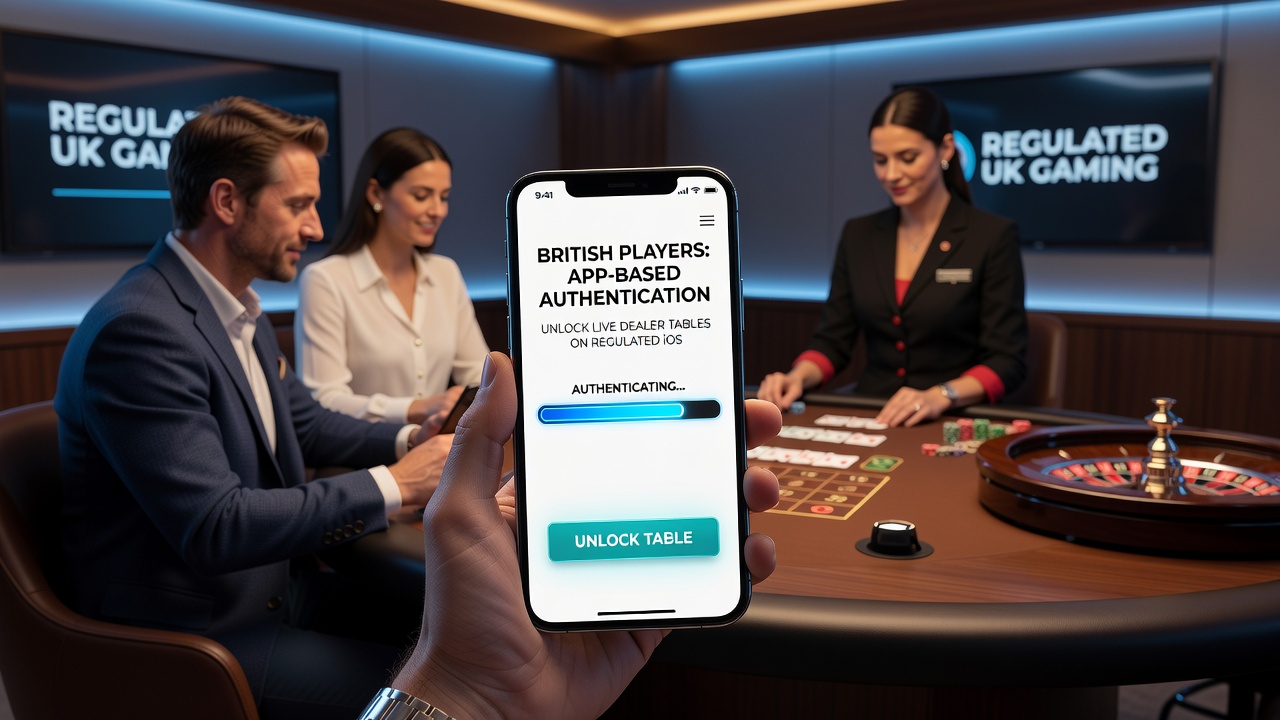
Updates rolled out in August 2026 introduced refined token refresh intervals that extend secure sessions without compromising verification frequency, allowing players longer uninterrupted access during extended play periods. These changes reflect ongoing collaboration between device manufacturers and licensed operators to balance convenience against security demands.
Technical Safeguards and Data Handling Practices
Encryption standards applied to authentication data follow protocols outlined in reports from academic sources such as the University of Nevada’s gaming research division, which examined mobile transaction integrity across international markets. Tokens remain stored in the device’s secure enclave rather than app memory, limiting exposure if the handset is compromised, and all live stream connections route through authenticated endpoints that rotate keys at regular intervals. Operators also maintain separate audit trails for each authentication event, recording device identifiers and timestamps that support compliance reviews without retaining raw biometric templates. British players benefit from these measures because the architecture prevents session hijacking while permitting rapid re-entry after brief interruptions such as incoming calls or app switches.
Integration with Broader Mobile Security Ecosystem
App-based systems coordinate with iOS features including App Attest and DeviceCheck, which allow operators to validate that the running application matches the version reviewed by Apple and has not been tampered with post-installation. This additional layer reduces risks associated with modified clients that might bypass regional restrictions or payment controls. Data compiled by the American Gaming Association shows increasing reliance on these native capabilities among cross-border operators serving European markets, with adoption rates climbing as hardware capabilities expand. Players therefore experience fewer manual interventions, since the combined checks occur transparently in the background once initial setup completes.
Conclusion
App-based authentication continues to serve as the primary gateway that connects verified British players with live dealer tables on regulated iOS platforms through a combination of biometrics, encrypted tokens, and platform-enforced safeguards. These mechanisms operate within established licensing parameters while adapting to periodic updates such as those observed in August 2026. External sources including the American Gaming Association and the European Gaming and Betting Association provide supporting data on implementation trends across different regions. The resulting workflow delivers efficient table access while preserving the security standards required by both device ecosystems and regulatory frameworks.