Developers Reveal Strategies for Secure Live Dealer Mobile Interfaces Amid UK Regulatory Changes
Theo Koch · Oct 14, 2026

Developers Reveal Strategies for Secure Live Dealer Mobile Interfaces Amid UK Regulatory Changes
Developers across the mobile gaming sector have shared detailed accounts of building live dealer interfaces that meet rigorous security standards while adapting to ongoing regulatory shifts in the UK, and these accounts highlight how encryption protocols, real-time authentication systems, and device-specific optimizations work together to protect player data on iOS and Android platforms. Teams have focused on creating interfaces that handle video streams from physical tables without exposing vulnerabilities, which becomes essential as licensing conditions tighten around data handling and user verification processes.
Core Security Challenges in Live Dealer Mobile Development
Smartphone platforms present unique hurdles because live dealer streams require constant data exchange between servers and user devices, while background processes on iOS and Android can introduce latency or security gaps if not managed carefully, and developers have addressed this by layering multi-factor authentication directly into the streaming pipeline rather than treating it as a separate step. Research from the University of Nevada, Reno indicates that mobile environments face higher risks from session hijacking compared to desktop setups, which has prompted many teams to embed behavioral analytics that flag unusual patterns during gameplay sessions.
Those working on these projects often combine biometric checks with token-based session management to reduce unauthorized access points, and this method supports compliance with evolving requirements around player protection without disrupting the flow of real-time dealer interactions. Data shows that interfaces built this way maintain lower drop-off rates during verification phases, allowing operators to sustain engagement while meeting stricter guidelines that took effect around October 2026.
Technical Approaches to Interface Design and Compliance
Engineers have described how they integrate end-to-end encryption for video feeds and chat functions, which prevents interception of sensitive information exchanged during live sessions, and they pair this with server-side rendering adjustments that adapt to varying network conditions on mobile networks. Such techniques help maintain visual quality for dealers and players alike while reducing the attack surface that could be exploited through compromised devices. Observers note that frameworks supporting both iOS and Android benefit from shared codebases that allow simultaneous updates when new regulatory directives emerge.
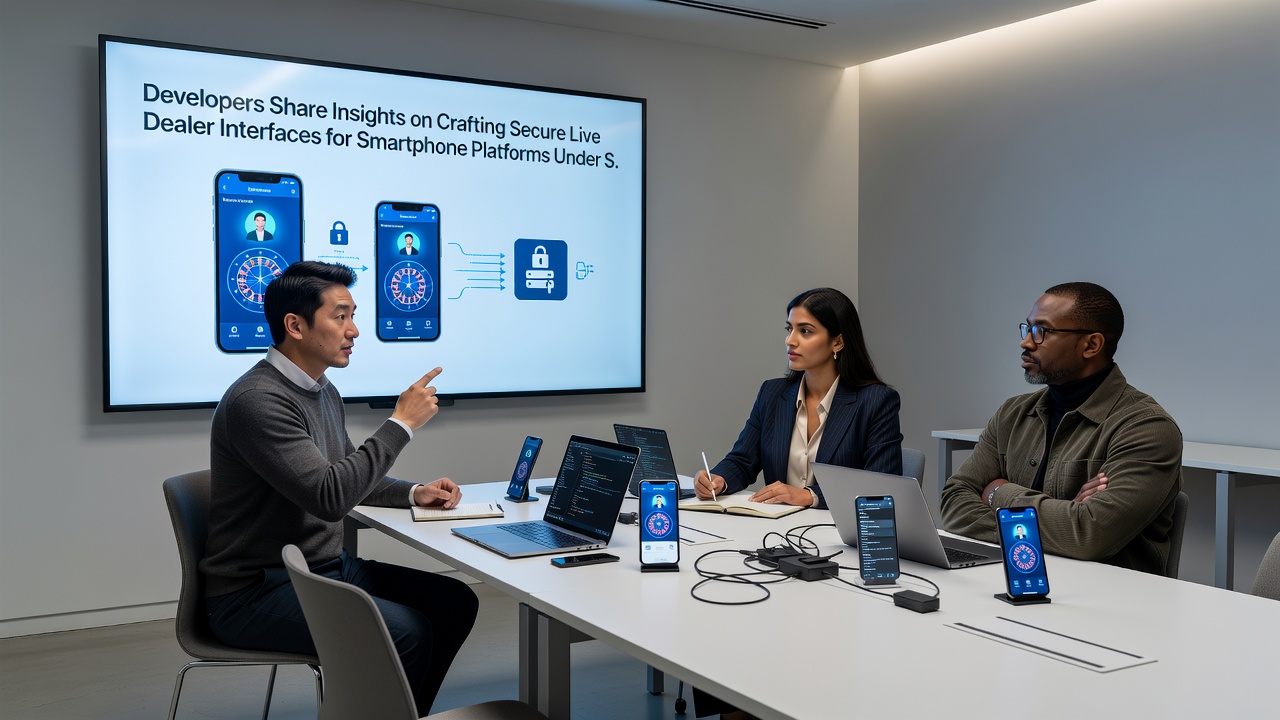
One approach gaining attention involves dynamic content delivery networks that route streams through regional nodes, thereby minimizing exposure to cross-border data transfer issues that arise under updated licensing rules. According to findings published by the Victorian Commission for Gambling and Liquor Regulation, similar security layering has proven effective in other jurisdictions facing comparable mobile expansion pressures. Developers further emphasize the value of automated compliance checks built into the development pipeline, which scan code for potential weaknesses before deployment and generate reports aligned with international standards.
Adapting to Regulatory Shifts and Industry Collaboration
Teams have observed that regulatory updates often focus on real-time monitoring capabilities and audit trails for live dealer activities, prompting the inclusion of logging mechanisms that record every interaction without affecting performance on lower-powered smartphones. Collaboration between software houses and hardware vendors has accelerated the adoption of secure enclaves within mobile processors, which isolate critical operations like payment confirmations from the main operating system. This separation reduces risks associated with malware that targets gaming applications specifically.
Industry reports from the International Association of Gaming Regulators highlight how such hardware-level protections align with broader expectations for operator accountability. Developers working under these conditions frequently participate in cross-company working groups that test interface prototypes against simulated regulatory scenarios, and the results feed back into refined coding practices that prioritize both speed and resilience.
Future Considerations for Mobile Live Dealer Security
Looking ahead, specialists anticipate greater emphasis on artificial intelligence tools that detect anomalies in live streams and user behavior simultaneously, which could streamline verification while preserving the interactive nature of dealer-led games on smartphones. Integration of these tools requires careful calibration to avoid false positives that interrupt play, yet the potential for proactive threat response has drawn considerable attention from development teams preparing for further rule adjustments.
Conclusion
Insights shared by developers underscore the balance required between technical innovation and regulatory adherence when crafting live dealer interfaces for mobile platforms, and the methods described demonstrate how layered security measures support both player safety and operational continuity under shifting UK conditions. Continued refinement of these strategies will likely shape the next generation of smartphone-based live gaming experiences.