Device Variations Shape Reward Redemption in Cross-Platform Gambling Software
Gisela Perry · Aug 26, 2026
Device Variations Shape Reward Redemption in Cross-Platform Gambling Software
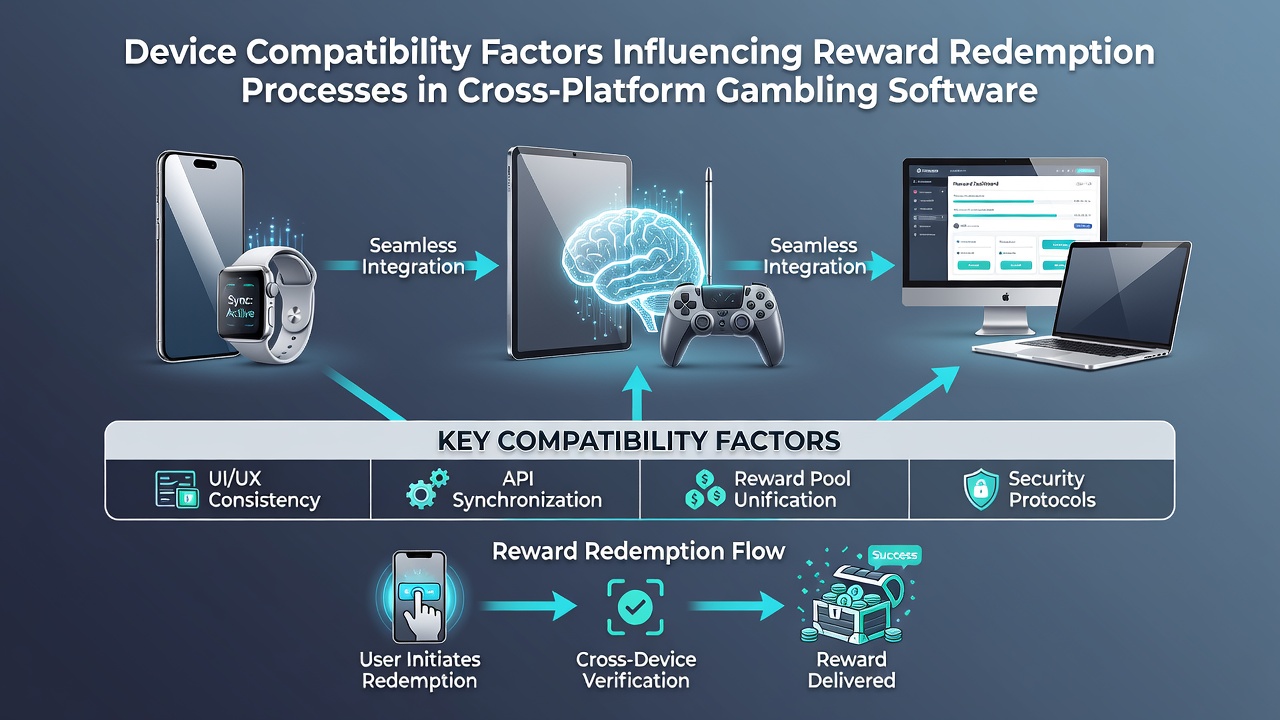
Device compatibility plays a central role in how players access and complete reward redemption in gambling applications designed to run across multiple operating systems and hardware configurations, and researchers have documented several technical layers that influence these processes.
Hardware Specifications Drive Processing Differences
Processors, memory capacity, and storage speeds vary widely across smartphones and tablets, which means redemption requests that involve verification steps often execute at different rates depending on the device in use. Devices equipped with newer chipsets handle encryption checks and server handshakes more rapidly, whereas older models encounter delays when the software attempts to process large data packets tied to bonus verification. Observers note that graphics processing units also factor into the equation because visual confirmation screens for redeemed rewards must render without lag on lower-powered hardware.
Screen resolution and aspect ratio further complicate interface consistency. Applications built for cross-platform deployment rely on adaptive layouts, yet certain devices display confirmation buttons or input fields in positions that require extra scrolling or tapping precision. This physical interaction layer affects completion rates when users attempt to claim time-sensitive rewards, and data from compatibility testing suites shows measurable differences in task completion times across flagship versus budget device tiers.
Operating System Fragmentation Creates Integration Points
Android versions span multiple major releases at any given time, while iOS maintains tighter version control yet still introduces API changes with each annual update. Gambling software must accommodate these differences when routing redemption flows through payment gateways or loyalty databases. Developers frequently encounter situations where one operating system permits background network calls during redemption while the other restricts them for battery or security reasons, forcing alternate code paths that can alter user experience timing.
Application sandboxing rules differ between platforms as well. iOS enforces stricter isolation that sometimes delays access to secure storage areas holding reward tokens, whereas Android's permission model allows more granular control yet requires explicit user approvals that vary by manufacturer overlay. These distinctions surface most clearly during multi-factor authentication sequences attached to larger reward claims, and industry reports indicate that operators track these platform-specific friction points through aggregated session analytics.
Cross-Platform Frameworks and Their Limitations
Many operators employ frameworks such as React Native or Unity to maintain a single codebase across ecosystems. These tools accelerate development cycles, but they introduce abstraction layers that occasionally conflict with native device APIs used for secure transactions. When redemption processes require direct calls to hardware-backed keystores or biometric sensors, framework-mediated access can add latency or require fallback methods that reduce seamlessness. Studies on mobile application performance reveal that native modules often outperform hybrid approaches during high-security operations, prompting some development teams to maintain separate modules for critical redemption segments.
Security Protocols and Device Trust Signals
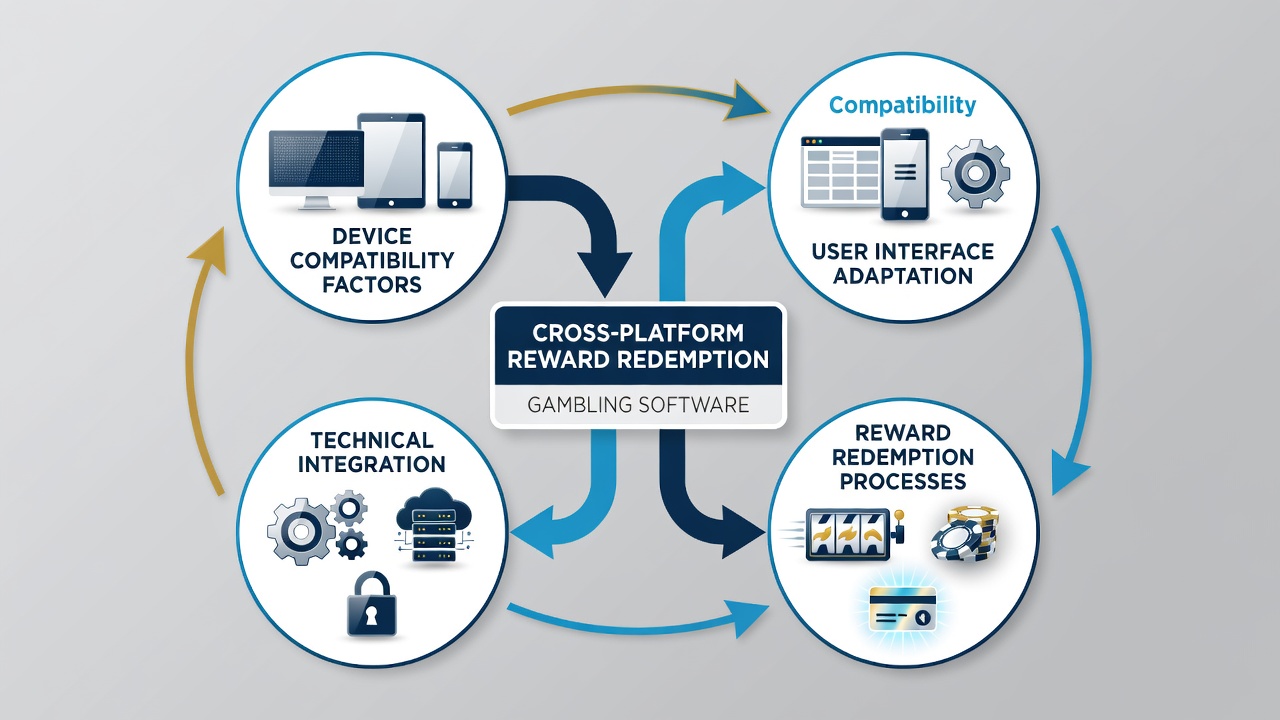
Reward redemption systems incorporate device fingerprinting and trust scoring to mitigate fraud, and these mechanisms behave differently depending on available hardware attestation features. Newer devices support hardware-backed attestation through secure elements, which allows operators to verify authenticity with higher confidence before releasing funds or credits. Older devices lacking these components may trigger additional manual review steps or reduced reward limits, creating uneven redemption outcomes across a user base. According to research published by the American Gaming Association, operators increasingly adjust verification thresholds based on detected device capabilities rather than applying uniform rules.
Biometric authentication availability also varies. Fingerprint sensors and facial recognition systems differ in accuracy and integration depth across manufacturers, which affects how quickly players can authorize redemptions. When a device lacks reliable biometric support, applications fall back to PIN or password entry, extending the overall process duration. Those who've examined user flow data observe that this fallback consistently correlates with higher abandonment rates at the final confirmation stage.
Network and Connectivity Variables
Redemption requests travel over mobile or Wi-Fi connections whose stability and speed differ by device radio hardware. 5G-capable devices complete server round-trips faster than 4G models in areas with comparable coverage, yet signal handoff behavior during movement can interrupt sessions on certain chipsets. Software must therefore implement retry logic and state preservation that accounts for these hardware differences to prevent duplicate or lost redemption attempts. Network protocol support, including TLS version handling, further influences whether a device can establish the secure channels required for financial transactions.
Conclusion
Device compatibility factors intersect at multiple points within reward redemption workflows for cross-platform gambling software, from hardware performance and operating system rules to framework abstractions and security attestation. Operators monitor these variables through ongoing testing and analytics, adjusting implementation details to maintain consistent outcomes regardless of the hardware or platform combination in use. As new device models and system versions continue to enter the market, these compatibility considerations remain central to reliable reward delivery across diverse user environments.