Encryption Advances and Security Protocols Driving Cross-Platform Casino Software Reliability
Gisela Perry · Nov 11, 2026
Encryption Advances and Security Protocols Driving Cross-Platform Casino Software Reliability
Security protocols and encryption standards have become central to how cross-platform casino software operates across iOS, Android, and web environments, and observers note that these measures directly influence user confidence in digital transactions and data handling. Research from standards organizations shows that implementations of AES-256 encryption combined with TLS 1.3 protocols now form the baseline for protecting player information during real-time gameplay and financial exchanges, while developers integrate these layers to meet varying platform requirements without compromising performance.
Core Encryption Methods in Multi-Device Casino Systems
Developers apply symmetric encryption algorithms such as AES-256 alongside asymmetric methods like RSA-2048 to secure data both at rest and in transit, and this dual approach addresses the distinct challenges of mobile and desktop interactions where network conditions fluctuate. Data indicates that platforms adopting these standards experience fewer incidents of unauthorized access attempts, according to reports compiled by international cybersecurity firms tracking gambling technology deployments. Those who manage cross-platform environments often combine end-to-end encryption with hardware security modules to store cryptographic keys separately from application code, which reduces exposure points during updates or device synchronization.
November 2026 marks a period when several certification bodies plan to expand evaluation criteria for encryption modules used in remote gaming applications, and this timeline aligns with broader shifts toward post-quantum cryptography testing in regulated markets outside the United Kingdom. Industry associations in North America and the European Union have published guidelines encouraging operators to begin phased adoption of quantum-resistant algorithms alongside existing standards, and figures from these groups reveal that early adopters report smoother compliance processes during platform audits.
Protocol Frameworks Supporting Platform Interoperability
Cross-platform casino applications rely on protocols including OAuth 2.0 for authentication and secure WebSocket connections for live dealer streams, and these frameworks allow consistent security postures whether users access services through native apps or browser-based interfaces. Studies conducted by academic research centers in Australia and Canada demonstrate that standardized API gateways protected by mutual TLS authentication limit the surface area for man-in-the-middle attacks, particularly when data flows between third-party payment processors and game servers. Observers tracking these implementations note that session management features such as token rotation and automatic logout timers further reinforce boundaries across device types.
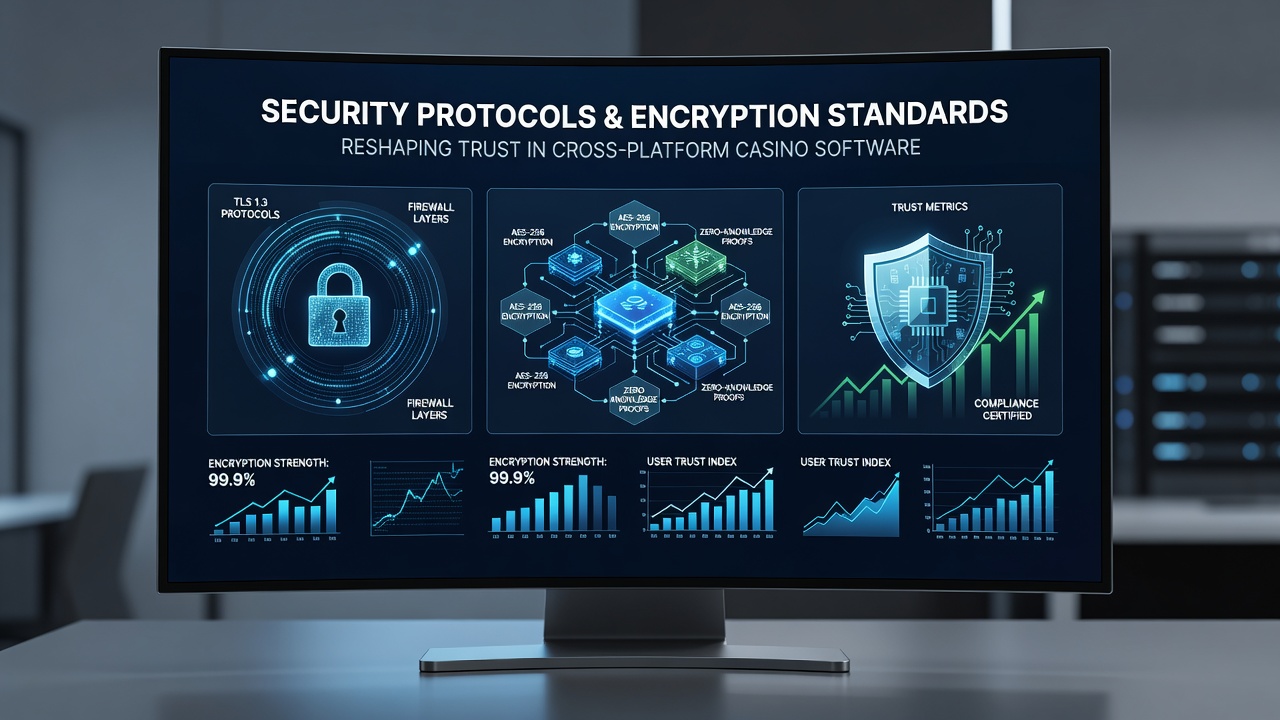
Regulatory frameworks in multiple jurisdictions now require regular penetration testing and third-party code reviews focused on cryptographic implementations, and evidence from these evaluations shows measurable improvements in vulnerability detection rates when testing occurs at six-month intervals rather than annually. Gaming technology conferences scheduled for late 2026 highlight case examples where operators updated their protocol stacks to include certificate pinning on mobile clients, resulting in documented reductions in interception risks during public network usage.
Impact on User Trust and Operational Compliance
Trust metrics compiled by independent research institutions indicate that platforms displaying clear indicators of encryption strength and protocol versions maintain higher retention rates among users who engage in cross-device play sessions. Software vendors incorporate these indicators through dashboard elements that confirm secure connections in real time, and this transparency aligns with expectations set by consumer protection agencies in the United States and Singapore. Those responsible for platform maintenance integrate continuous monitoring tools that flag deviations from approved cipher suites, allowing rapid remediation before issues affect live environments.
Collaboration between encryption standards bodies and gaming software providers continues to produce updated reference architectures that account for emerging threats such as side-channel attacks on mobile processors, and documentation from these partnerships outlines specific configuration parameters for Android and iOS deployments. Data collected across multiple regions shows that adherence to these architectures correlates with faster approval times during licensing renewals, particularly when operators submit audit trails generated by automated compliance platforms.
Future Developments in Casino Software Security
Emerging standards for zero-trust architecture are beginning to influence how cross-platform casino systems segment user sessions and backend services, and early deployments demonstrate that micro-segmentation combined with behavioral analytics can isolate anomalous activity without interrupting legitimate gameplay. Research papers from European universities detail pilot programs testing these models within controlled gambling environments, where results suggest improved resilience against credential-stuffing campaigns targeting shared accounts across devices. Industry groups anticipate that by November 2026 additional specifications will formalize requirements for continuous authentication protocols that adapt based on risk signals collected during active sessions.
Conclusion
Security protocols and encryption standards continue to evolve in response to both technological advancements and regulatory expectations across international markets, and their application in cross-platform casino software directly supports consistent protection of user data regardless of access method. Organizations that maintain alignment with current specifications position their systems to accommodate future updates while preserving operational continuity and stakeholder confidence.