Syncing Live Dealer Streams with Instant Payouts: Key Technical Obstacles in Mobile Casino Development
Morgan Peters · Sep 30, 2026
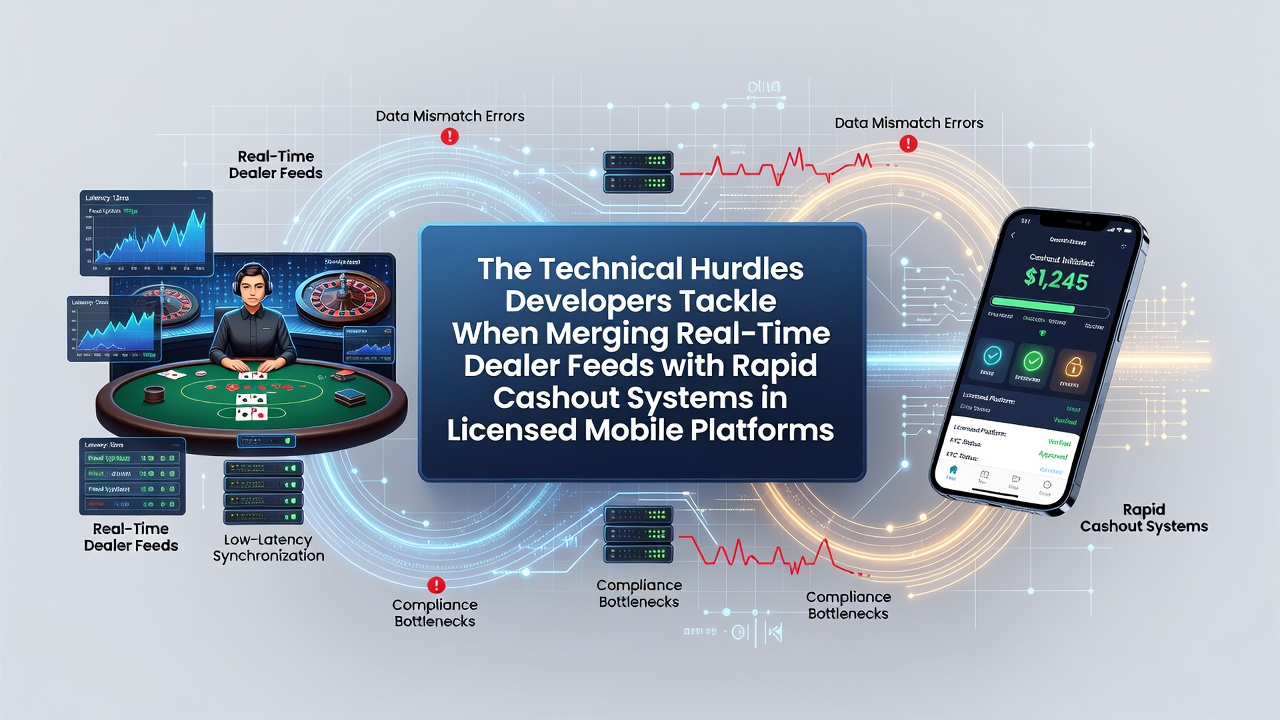
Syncing Live Dealer Streams with Instant Payouts: Key Technical Obstacles in Mobile Casino Development
Developers working on licensed mobile platforms encounter significant engineering demands when they attempt to merge continuous live dealer video feeds with systems that process cashouts in seconds, and these demands arise because every frame of dealer action must align precisely with transaction records that update player balances without delay. Real-time feeds generate constant streams of video data alongside game outcome packets, while rapid cashout mechanisms require immediate validation of funds, regulatory checks, and secure transfers that cannot wait for batch processing cycles. The combination creates pressure points around latency control, state consistency, and compliance logging that teams must resolve before platforms reach production.Latency Control Across Video and Transaction Layers
Video streams from dealer tables travel through content delivery networks that optimize for low jitter, yet cashout requests pull from the same backend databases that track game states in progress, and any mismatch in timing can trigger disputes over whether a withdrawal occurred before or after a bet settled. Teams often implement edge computing nodes that cache partial game data closer to users, which reduces round-trip times for feed updates while separate microservices handle withdrawal approvals through isolated ledgers. Research from the University of Nevada, Reno gaming technology lab shows that sub-200 millisecond end-to-end delays become standard targets in high-volume environments, though mobile network variability across 5G and older connections forces additional buffering strategies that protect feed continuity without stalling payout queues.
Maintaining Consistent Game and Financial States
Live dealer sessions produce sequential events such as card draws or wheel spins that must remain immutable once broadcast, while cashout operations attempt to deduct balances that reflect those same events, and developers therefore rely on distributed transaction protocols that coordinate across multiple services without locking entire player accounts for extended periods. Event sourcing architectures record every dealer action as an immutable log entry, allowing cashout processors to query the exact state at the moment of request, and this approach prevents double-spending scenarios that could arise if a withdrawal processes against an outdated balance snapshot. Observers note that container orchestration tools help scale these logs during peak hours, yet the added overhead of cryptographic signing for each event entry increases CPU demands on mobile backend clusters.
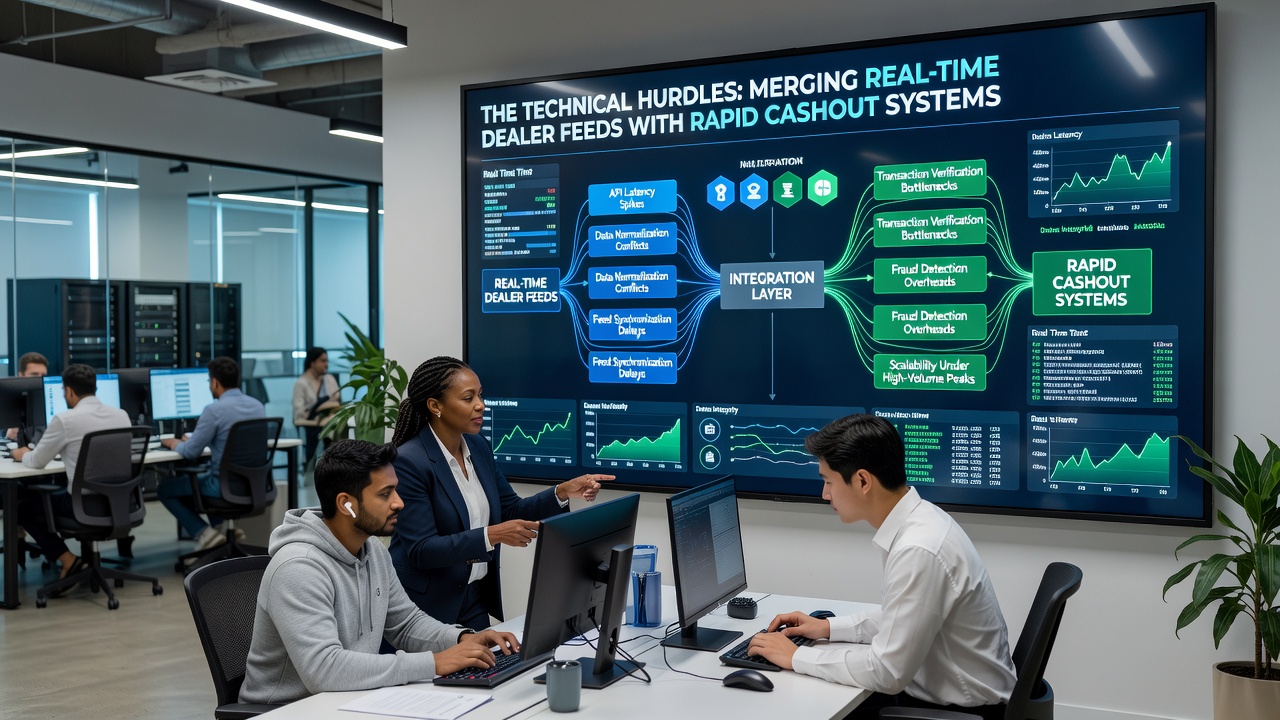
Security Protocols Under Continuous Data Flow
Encryption layers wrap both video packets and financial instructions, yet the need for rapid decryption at multiple points in the pipeline creates opportunities for side-channel attacks if key rotation schedules lag behind session volumes. Developers integrate hardware security modules that offload cryptographic operations from general servers, and these modules allow cashout verification to complete within strict time windows while dealer feeds continue uninterrupted. Data from the Alcohol and Gaming Commission of Ontario indicates that platforms handling cross-border traffic must also reconcile differing encryption standards between jurisdictions, which adds configuration complexity during app updates released in September 2026 and beyond. Teams address this by maintaining separate key hierarchies for media streams versus monetary transactions, a separation that reduces blast radius if one layer experiences compromise.
Regulatory Logging Without Performance Degradation
Licensed platforms must retain detailed records of every dealer decision and every cashout approval for audit purposes, and these records accumulate rapidly when thousands of concurrent sessions generate events every few seconds. Developers therefore design append-only storage systems that accept high write throughput while supporting quick retrieval for compliance queries, often through sharded databases that separate media metadata from financial ledgers. Integration with third-party monitoring services helps flag anomalies in real time, but the additional network calls required for logging can compound latency if not carefully throttled. Those who have studied deployment patterns report that asynchronous logging pipelines allow cashout confirmations to return to users before full audit trails finish writing, preserving the perception of speed while satisfying oversight requirements.
Platform Differences Between iOS and Android Implementations
iOS restrictions on background processing limit how aggressively apps can prefetch dealer feed segments, whereas Android offers more flexibility through foreground services that maintain connections during cashout flows, and these differences force developers to maintain parallel code paths that achieve comparable performance across both ecosystems. Push notification channels must also synchronize with in-app state machines so that a completed withdrawal does not arrive out of sequence with live game updates. Testing frameworks simulate variable network conditions to verify that both operating systems deliver equivalent reliability, and results guide decisions on whether to favor native modules or cross-platform frameworks for the most time-sensitive components.
Conclusion
Integration of live dealer feeds with rapid cashout systems in licensed mobile environments rests on careful coordination of latency, state management, security, and logging mechanisms that operate under continuous regulatory scrutiny. Teams that master these layers deliver platforms capable of handling simultaneous video delivery and financial transactions at scale, and ongoing refinements in September 2026 reflect incremental improvements drawn from production telemetry across multiple jurisdictions. The technical foundation continues to evolve as new network technologies and compliance standards emerge, yet the core requirement remains unchanged: every dealer action and every cashout must reconcile accurately within the narrow timeframes users expect.